


Car Finder Versus Dealership: Which Saves Time?
A vehicle choice can decide whether your first week in Chile is spent heading south toward Patagonia or waiting in Santiago for documents, seller replies, and bank appointments. The car finder versus dealership question is not just about where you buy. For international travelers, it is about who can get you into the right vehicle, legally and on schedule, without cutting into a limited overland trip.
For a short trip, renting is usually the cleaner answer. For an extended journey of three months or more, buying can offer more flexibility, room for gear, and a stronger budget outcome. Once buying makes sense, you need to choose the purchase route that fits your time, vehicle requirements, and tolerance for local bureaucracy.
Car Finder Versus Dealership: The Real Decision
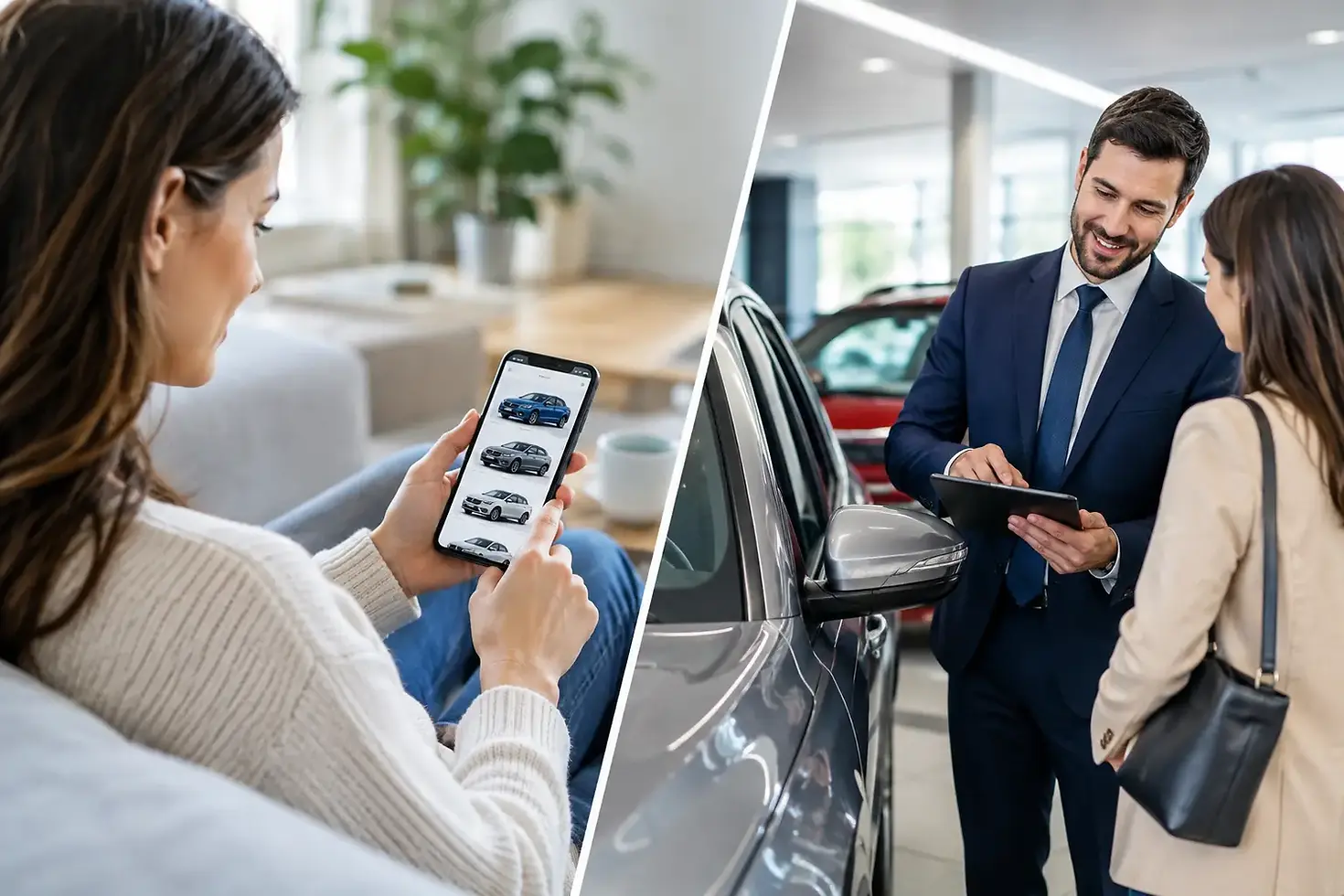
A dealership sells vehicles from its own inventory. You can visit, compare several cars in one place, and often leave with a clear price, basic sales paperwork, and a known point of contact. This can be useful if you want a newer vehicle, prefer a conventional retail process, and are prepared to select from what is available that week.
A car finder works differently. Instead of limiting you to one lot, the finder identifies vehicles across the local market based on your route, budget, passenger count, equipment, and resale plan. The service may help assess listings, communicate with private sellers, inspect the vehicle, negotiate terms, and coordinate the paperwork needed for a foreign buyer.
Neither option is automatically better. A dealership can be faster when it has the right vehicle already prepared and understands the needs of non-resident buyers. A finder can be far more efficient when you need a specific setup, such as a 4WD capable of remote roads, a camper-ready wagon, or enough space for surfboards, kitesurfing equipment, and several months of supplies.
The key question is simple: are you buying the vehicle that happens to be available, or are you building the purchase process around the trip you actually want to take?
What a Dealership Can Do Well
Dealerships are generally the more familiar option for US travelers. You see a physical inventory, compare condition and price in person, and deal with a business rather than arranging a meeting with an unknown private seller. For travelers who are not comfortable evaluating used vehicles, that structure has real value.
A dealer may also offer more standardized documentation than an individual seller. If you are buying a newer vehicle or want a conventional purchase experience, this can reduce uncertainty at the beginning of the process.
However, a dealership in Chile is not automatically set up to solve the problems facing a foreign buyer. The staff may be excellent at selling to Chilean residents while having limited experience with investor RUT applications, ownership transfer requirements for non-residents, authorization documents, or a resale strategy months later.
Inventory is the other limitation. A dealership can only sell what is on its lot or within its network. If your route includes the Carretera Austral, Argentine border crossings, high-elevation roads, or long stretches away from services, the right vehicle is not simply the one with the cleanest showroom presentation. It needs to suit the route, carry your load, and remain attractive to the buyers you will approach when it is time to sell.
Price deserves a closer look, too. A dealership price may include convenience, preparation, warranty coverage, or retail margin. That may be worthwhile, but it does not always represent the best value for a traveler planning to resell after one season.
Where a Car Finder Adds Value
A good car finder earns its value before you see the vehicle. The work begins with narrowing the brief: how long you will travel, where you intend to go, whether you need to sleep inside the vehicle, how much equipment you carry, and when you need to sell.
That planning matters because South America is not one uniform driving environment. A compact two-wheel-drive vehicle may be ideal for a road trip through central Chile and wine country. It may be the wrong choice for travelers planning long gravel sections, remote camping, or a heavily loaded route through Chile and Argentina.
A finder can search beyond a dealership lot and compare private listings, specialist vehicles, and travel-ready options. That broader search often matters more than chasing the lowest sticker price. A cheap vehicle that needs tires, suspension work, camping equipment, or repeated repairs can cost more time and money than a properly prepared option.
The other advantage is local process management. Private-party purchases can involve multiple parties, document checks, signatures, payment coordination, and registration steps. For a visitor unfamiliar with Chilean systems, each task can become a day lost to translation, scheduling, or discovering a requirement after the fact.
At Suzi Santiago, this is why vehicle buying support is built around the whole trip rather than the transaction alone. The objective is not merely to find a car. It is to help travelers get their investor RUT, complete the purchase correctly, start traveling with a realistic timeline, and prepare for a smooth resale later.
The Administrative Timeline Changes the Answer
Many travelers make the mistake of comparing only vehicle prices. The more useful comparison is total trip cost, including the value of your time.
An investor RUT, the Chilean tax identification number generally needed for a foreigner to own a vehicle, can take around five business days when the application is correctly prepared. Ownership transfer is not an instant event either. Plan for a process that can take up to eight weeks, depending on the transaction and administrative conditions.
That does not mean you must sit in Santiago for eight weeks before traveling. It does mean you should work with a process designed for the timing, documentation, and legal sequence involved. Do not arrive with a five-day window, buy the first vehicle you find, and assume every ownership detail will resolve itself before you cross a border.
A dealership may guide you through part of this process, but you should confirm exactly what it handles. Ask whether it has completed sales for foreign non-residents, whether it can support the required ownership documents, and what happens if there is a delay. A car finder or concierge service should be equally clear about its scope: vehicle search, mechanical checks, RUT support, transfer coordination, insurance guidance, and exit planning are separate tasks, even when one team manages them together.
Choose Based on Your Trip Length and Vehicle Needs
For a one- to six-week vacation, renting removes the purchase and resale burden. You know your dates, you return the vehicle at the end, and you avoid tying up travel time in legal administration. This is especially practical if you are flying into one country and leaving from another.
For a journey of three months or longer, buying becomes worth evaluating. The longer you travel, the more a vehicle can become part of your accommodation, gear storage, and daily independence. You can set your own pace, carry equipment without repeatedly repacking, and reach areas where bus schedules and hotel availability should not dictate the route.
A dealership may suit travelers who want a straightforward, newer vehicle from available inventory. A finder is usually the stronger option when the vehicle must meet specific travel requirements or when your schedule cannot absorb the learning curve of a private-market purchase.
Think carefully about resale from day one. The best vehicle for your trip should also appeal to the next traveler or local buyer. Popular, well-maintained models with practical equipment are often easier to sell than highly modified or unusually specialized vehicles. Keep service records, avoid unnecessary changes, and leave enough time at the end of the trip to market the vehicle properly.
Questions to Ask Before You Commit
Before placing a deposit, get direct answers to the operational questions that determine whether the purchase will protect or disrupt your trip. Confirm who the legal seller is, what documents will be reviewed, how payment is handled, and what condition checks are included. Ask whether the vehicle has outstanding restrictions, unpaid obligations, or paperwork that could delay transfer.
You should also ask what support exists after the sale. If the vehicle needs attention in Puerto Varas, Coyhaique, or northern Argentina, does the team understand your route and have practical recommendations? If your travel dates change, can the resale plan change with them?
Finally, do not confuse a polished vehicle with a travel-ready one. Check tires, brakes, fluids, spare tire condition, suspension, heating or sleeping setup, storage, and the tools needed for basic roadside issues. If border crossings are part of your route, verify the ownership and authorization documents well before you reach the frontier.
Plan the Vehicle Around the Trip
The right purchase route is the one that leaves you with more road time and fewer administrative surprises. A dealership can be the right call when its inventory and foreign-buyer support match your plan. A car finder is often the better fit when your route is demanding, your needs are specific, or your time in Chile is too valuable to spend chasing listings and paperwork.
Give the buying process the same attention you give the route. A well-chosen vehicle and a realistic timeline will carry you much farther than a bargain found in a hurry.


Comments